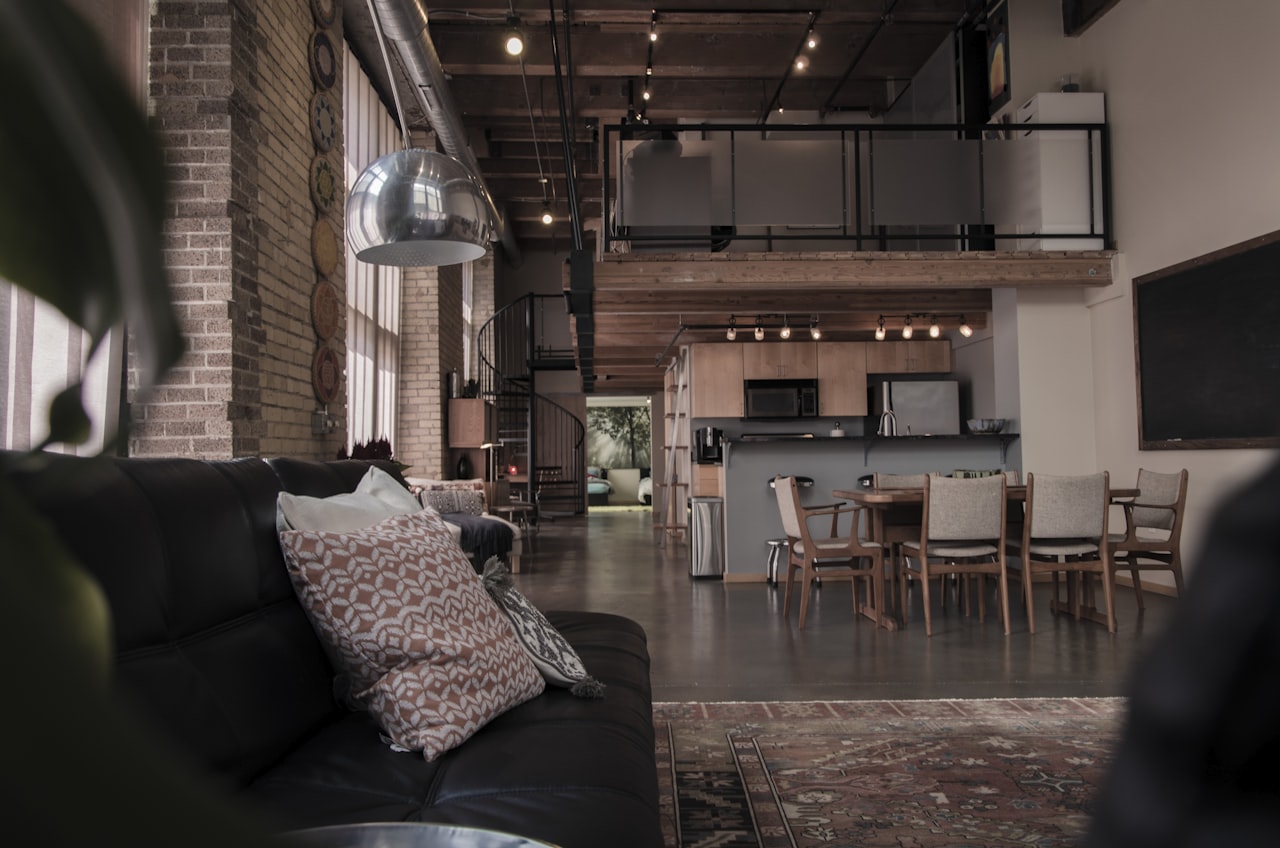
The entryway is the smallest room in most homes and does the heaviest work. Ours is about 4 feet wide, and for years it held the outcome of every morning: the missing left shoe, the library book we swore we returned, the field trip form found under a coat at 7:52 a.m. Fixing this corner did more for our mornings than any wake-up chart ever did.
What follows is not a renovation. It is a set of small decisions about where objects live so a 6-year-old, a 9-year-old, and two tired adults can leave the house in under ten minutes without anyone crying, including the adults.
What actually happens in the last fifteen minutes
Before you move a single hook, spend one morning watching. Not helping, just watching. Stand near the door with a coffee and notice what your kids actually reach for, in what order, and where the friction shows up. In our house it looked like this: shoes on, then remember the water bottle (kitchen), then the folder (living room floor), then the jacket (upstairs bedroom), then a lost sock (nobody knows).
Every one of those trips is about 20 to 40 seconds, and each one carries a small emotional cost. Multiply by two kids and you have lost six minutes and used up your patience before anyone has touched a doorknob. The point of an organized entryway is not tidiness. It is reducing the number of rooms a child has to visit between waking and leaving.
Write down what you see. You will not remember it accurately by evening. This is the same principle we use in our pieces on homework and school routines: watch the actual behavior first, then design around it.
The one-shelf test
Here is the rule I use with families I talk with, and it has held up across small apartments and large houses: everything a child needs to leave the house should fit on one shelf or hook zone that they can reach without help. For a kindergartener, that means nothing above 42 inches. For a fourth-grader, 54 inches is fine.
If it does not fit on that shelf, it is either too much stuff or the wrong stuff. A child who owns six jackets in October does not have six jackets in October. They have one jacket and five distractions. Store the others somewhere else and rotate seasonally.
Put the shelf test into practice like this:
- One hook per child, labeled with their name or a small drawing.
- One basket per child on the shelf below the hook, roughly the size of a shoebox.
- One flat surface, tray, or dish for the things that leave every day: water bottle in the morning, keys and wallet for adults, sunglasses.
- One vertical slot or file holder for paper: signed forms, permission slips, the one library book due back this week.
- Nothing else stored at child height. No craft supplies, no seasonal decor, no adult mail.
The night-before shelf
The single change that saved us the most time was moving the packing ritual from morning to the night before, and giving it a dedicated spot. We call it the launch shelf, but any name works. Backpacks land there after school, get emptied of trash and notices, get repacked with tomorrow’s needs, and stay there until morning.
The rule in our house is that shoes and backpacks touch the launch shelf before anyone opens the fridge after school. Not because we are strict, but because a backpack that gets dropped in the living room at 3:15 p.m. becomes a scavenger hunt at 7:45 a.m. The American Academy of Pediatrics writes often about how young children build habits through location cues more than instructions. The shelf becomes the cue.
If your evenings are already crowded, pair the pack-up with something that already happens: right after snack, right before screens, right after dinner. Do not try to add a new time slot. Attach it to an existing one. We wrote about this attachment idea in more depth in our notes on meal planning and household systems.
What to keep off the floor
Floor storage looks fine in photos and fails in practice. A bin of shoes on the floor becomes a shoe pile within three days, because kicking a shoe off from a standing position is easier than aiming into a container. Vertical storage, even cheap over-the-door shoe organizers, cuts the shoe pile problem by most of the way.
A short list of what we now keep off the floor entirely: shoes (in slanted racks or over-door pockets), backpacks (hooks at kid height), and umbrellas (a single tall vase by the door). The floor holds only a boot tray in winter and a small rug. That is it. When the floor is clear, sweeping the entryway takes about 30 seconds, which means it actually gets swept.
When the system stops working
Every entryway setup breaks eventually, usually around the fourth week. The novelty wears off, a child gets a new after-school activity, or a season changes and suddenly there are hats and mittens where there used to be sunhats. This is not a failure of the system. It is the system telling you it needs a small edit.
The most common failure I see is drift: adult stuff starts colonizing the kid zone. A parent drops keys in a child’s basket, then a package, then a stack of mail. Within two weeks the child cannot find their own hat and stops using the shelf at all. Guard the kid zone the way you would guard a shared calendar. If you need adult storage, add adult storage, do not borrow from the kids.
The second failure is over-labeling. If every hook has a laminated sign and every basket has a category, the system feels like a rulebook and children resist. One label per child is plenty. Let the contents shift.
A real Tuesday
Here is what a working Tuesday looks like in our house now. At 3:20 p.m., both kids come in, put backpacks on the launch shelf, and empty lunch containers into the kitchen. That is the only entry-way task after school. At 7:30 p.m., during the last stretch before bed, they check the folder slot for anything that needs a signature. Water bottles get refilled and set on the tray.
In the morning, they wake at 6:45 a.m., dress, eat, and by 7:35 a.m. they are standing at the entryway grabbing one hook and one basket each. Total transition time from kitchen to sidewalk: about four minutes. It used to be closer to fifteen. Those eleven minutes are the difference between arriving at school calm and arriving frazzled, and honestly, the difference between me starting work as a functional person or not.
What this does not fix
An organized entryway will not fix a child who is genuinely dysregulated in the morning, or a household running on too little sleep. If your mornings feel hard in a bigger way, the entryway is a fifth or sixth priority. Start with sleep and daily schedules or with how siblings talk to each other first. The Sleep Foundation has clear age-based sleep needs that are worth a look if bedtime is the real bottleneck.
But if your mornings are almost working, and the pinch point is the last fifteen minutes near the door, this is where the leverage lives. A hook, a basket, a shelf, and one honest morning of watching. That is the whole project.
A gentle closing
Try one piece this week, not all of it. Maybe just the shelf test. Maybe just moving the backpacks to a fixed spot after school. Measure how you feel on Friday, not by whether the entryway looks nicer, but by whether you snapped less at your kids on the way out the door.
If you want to compare notes or share what worked in your own hallway, our contact page is open, and our editorial standards explain how we test the ideas we publish. More on the small mechanics of home life lives in our chores and home organization archive.