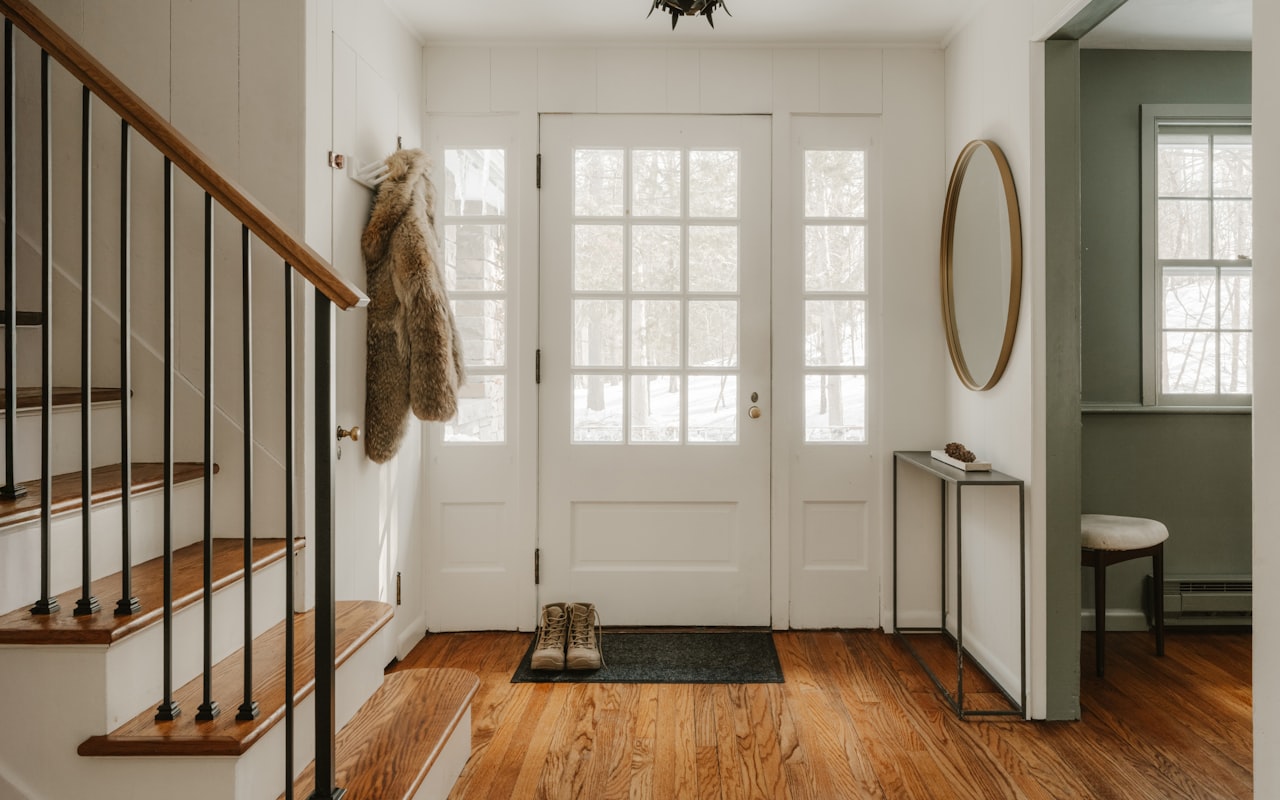
The front door of our apartment used to eat about eleven minutes of every school morning. Not in one dramatic swoop, but in small extractions: a sock hunt under the couch, one sneaker behind the recycling bin, a boot marooned in the bathroom for reasons no one could explain. I timed it once because I was tired of feeling crazy. Eleven minutes. Enough to make us miss the 7:52 crossing guard almost every Tuesday.
What fixed it wasn’t a new organizer or a color-coded chart. It was a boring, almost embarrassingly simple rule: shoes live by the door. Not in the closet. Not upstairs. By the door, in the same square of floor, every night before bed. That single agreement changed the shape of our mornings more than any wake-up-earlier experiment we ever tried.
What actually happens when shoes have a home
The first thing you notice is quieter. There is no calling from room to room, no interrogation about who wore what where. Feet go into shoes within about three seconds of the kids reaching the entryway, which is often the moment right before I remember they also need a jacket.
The second thing is subtler. Because the shoes are visible, the kids see them and put them on themselves. My six year old, who used to sit on the stairs waiting to be delivered footwear like a small monarch, now walks over, steps in, and Velcros up. Not every day. But most days, which is a bigger win than it sounds.
The rule, in three sentences
Every pair of outside shoes comes off at the door and stays at the door. Slippers or house socks live in a basket at the same spot for the swap. The last person into the house at night is not responsible for anyone else’s shoes, but they are responsible for their own.
That’s it. There is no chart, no sticker system, no consequence tree. The rule is the rule because we said it out loud together on a Sunday in September, and we repeat it maybe once a week when someone forgets.
Setting up the spot without buying anything
You do not need a Pinterest entryway. Ours is a $14 boot tray from the hardware store and a small wicker basket that used to hold magazines. Total footprint: about 22 by 30 inches. That fits four kids’ worth of shoes plus two adult pairs if we stack the sandals sideways.
A few things that matter more than the container:
- Put it within one step of the door, not around a corner. Line of sight is the whole trick.
- Give each kid a defined zone, even if it’s just an imaginary quadrant. Six year olds respect invisible lines more than you’d think.
- Keep the number of pairs low. Two per kid, maybe three in winter. Extras go in the closet.
- Have a landing pad for wet shoes so the tray doesn’t become a swamp. A folded old towel works.
If your entryway is genuinely tiny, the same rule works with hooks and a shallow shelf. The point is not the furniture. The point is that shoes have one address and everyone in the house knows the zip code.
The Sunday piece that keeps it working
Once a week, usually while I’m already tidying other things, I do a two minute shoe audit. Pairs get matched, sand gets shaken out, anything that’s been sitting there for a week without being worn goes back to the closet or into the outgrow pile. My kids’ feet are growing at what feels like a felony pace right now, and the audit catches shoes that are pinching before we discover it on a curb somewhere.
This slot lives inside a broader weekly reset I’ve written about in the ten minute Sunday reset that buys you a calmer week. If you already do something like it, tacking on the shoe audit adds maybe 90 seconds. If you don’t, the audit is a fine starter habit on its own.
A real Tuesday, mapped
Here’s what mornings looked like before, and after. The times are honest, not aspirational.
| Step | Before | After |
|---|---|---|
| Wake-up to breakfast table | 7:05 | 7:05 |
| Teeth and dressed | 7:35 | 7:32 |
| Shoe search begins | 7:44 | n/a |
| Actually out the door | 7:55 | 7:44 |
| Parental blood pressure | elevated | manageable |
Eleven minutes back. Not because we’re faster people. Because we removed one decision and one location search from the sequence. The American Academy of Pediatrics has written a lot about how predictable routines reduce stress for kids, and I felt this the first week we ran the rule. The mornings weren’t just faster. They were less hostile.
When it goes wrong
It goes wrong most often on Fridays, after a week of accumulated exceptions. Someone wore soccer cleats home in the car, took them off in the trunk, and now they’re in the trunk. Someone else was invited to a sleepover and left in shoes that never came back. A pair of rain boots ended up at grandma’s and no one told me.
The fix is not to be stricter. The fix is to have a two minute recovery on Friday afternoon: walk through the likely rooms, the car, the porch, and reset. If a pair is missing entirely, that’s information, not a failure. It means there’s a category of exception (sports gear, sleepover shoes) that needs its own tiny system, usually a labeled bag by the door.
The other thing that goes wrong is enforcement drift. About a month in, everyone got sloppy and shoes crept back to the couch. I didn’t lecture; I just moved the offending pair back to the tray without commentary. Three or four silent moves and the habit re-set. Sometimes silence works better than a family meeting.
Why this belongs in the same file as chores
I don’t call the shoe rule a chore, because it takes about four seconds and requires no supplies. But it lives in the same mental drawer as the rest of the house systems I’ve slowly built. If you’re rebuilding a few of those drawers this month, the pieces in chores and home organization pair well, and the entryway rule specifically feeds mornings, which touch sleep and daily schedules more than we usually admit. When leaving the house is calmer, bedtime the night before is calmer, because everyone has less residual dread about tomorrow.
If you have older kids managing their own homework kit, a parallel version of this works with backpacks: same square of floor, packed the night before, sitting on top of the shoes. That one small stack turns into the entire launch pad for the day. I wrote more about school-morning flow in the homework and school routines pieces, and there’s overlap worth borrowing from.
What I’d tell a friend starting this week
Pick your spot tonight. Not tomorrow. Tonight, before the kids go to bed, put a boot tray or a folded towel where the shoes should live, and put every pair you can find on it. Tell the kids in the morning, briefly and without drama, that this is the new address for shoes. Repeat it for three days. Then let it be boring.
Boring is the goal. The best household systems are the ones you stop noticing because they’ve stopped costing you anything. Shoes by the door is not a philosophy or a lifestyle. It’s a small, cheap, slightly stubborn agreement with your own front hallway. And on a Tuesday at 7:44, when you’re actually walking out instead of yelling up the stairs, it will feel like a much bigger thing than it is.