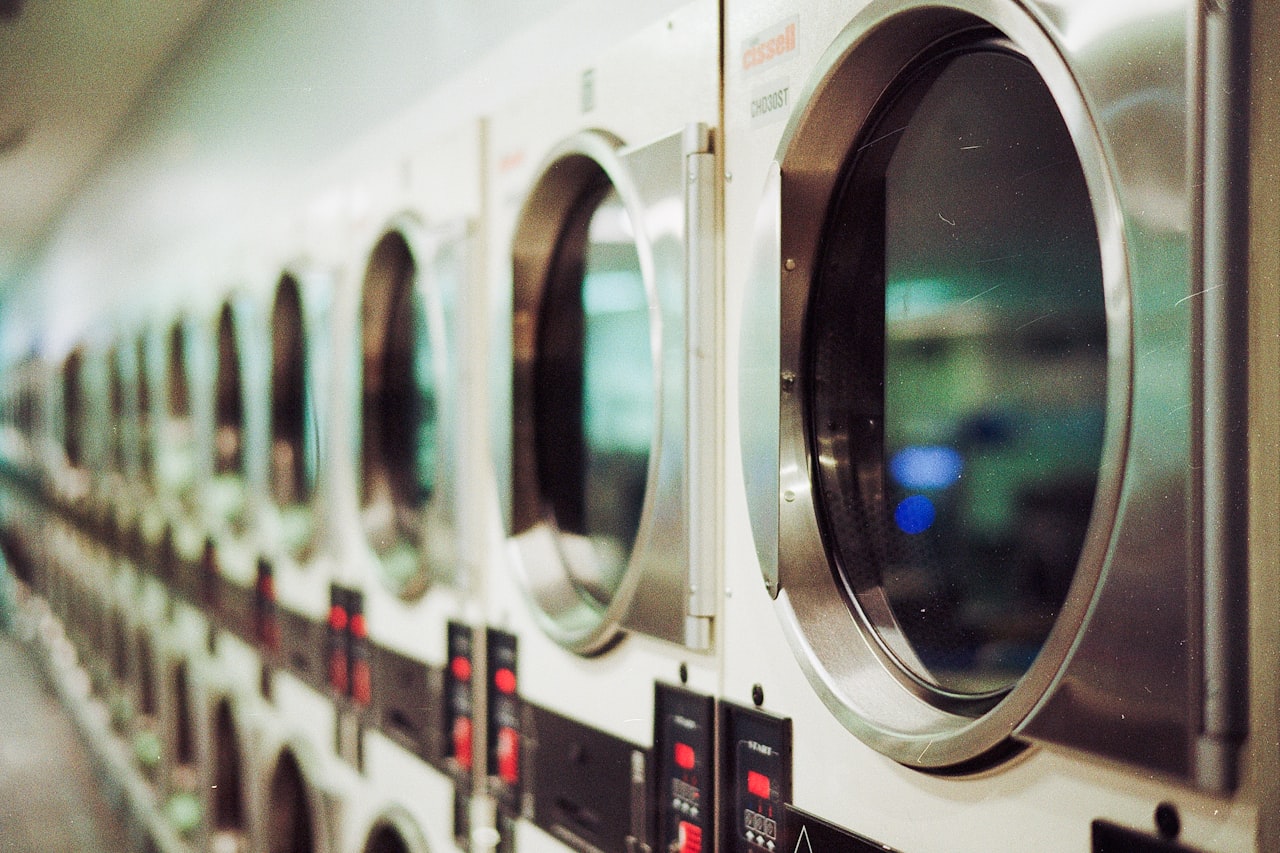
Laundry is rarely the actual problem. The problem is the pile on the chair, the damp load you forgot at 11 p.m., and the vague guilt of walking past a hamper that has been full for 3 days. If you feel behind, you are not disorganized. You are running a small hotel with 4 to 6 guests who change clothes twice a day.
Why laundry gets away from parents specifically
A single adult generates roughly 2 loads a week. A family of four generates 8 to 10, and that number spikes during sports seasons, potty training, and stomach bug weeks. The math is not on your side, and it never was. What most parenting content leaves out is that laundry is not one task. It is 5 tasks (sort, wash, dry, fold, put away), and the last two are the ones that quietly break the whole chain.
The wet load in the machine is not the emergency. The clean, folded basket sitting on the couch for 4 days is the emergency, because it blocks the next load and steals the surface you were going to use for something else.
If your home organization rhythm already feels stretched, adding more laundry ambition will not help. Removing steps will.
Start with one honest audit
Before you build any new system, spend 10 minutes looking at what actually happens now. Not what you wish happened. Write down, in the plainest words possible:
- Where do dirty clothes land between the body and the hamper?
- Who currently puts a load in, and when?
- Where does clean laundry sit before it gets put away?
- Which drawer or shelf is the one nobody can find room in?
That last question is often the real bottleneck. If the kids’ drawers are stuffed with clothes that no longer fit, folding has nowhere to go, and the basket on the couch becomes the drawer by default. A 20-minute purge of outgrown clothes is often worth more than any new schedule.
Pick a rhythm that matches your actual week
There are basically 3 approaches, and none of them is morally superior. Pick the one that fits the shape of your week, not the one that sounds most virtuous.
| Approach | Best for | Fails when |
|---|---|---|
| One load a day, every day | Homes with a washer near daily traffic | You forget the load and it sours by morning |
| Two big laundry days (e.g. Sunday and Wednesday) | Working parents who need weekdays clear | A sick kid derails Wednesday |
| Person-of-the-day (all of one kid’s clothes in one load) | Families with 3 or more kids | Sports uniforms need washing off-cycle |
The person-of-the-day method is underrated. You wash, dry, fold, and put away one child’s clothes in a single continuous arc, usually 90 minutes of elapsed time and maybe 20 minutes of hands-on work. Nothing sits. Nothing mixes. The 6-year-old’s socks do not end up in the 9-year-old’s drawer.
The 3 rules that keep laundry from stalling
These are not clever. They are the ones that actually move the needle when parents tell us what worked.
Rule 1: Fold where it lives. Fold in the room the clothes go into, not on the couch. The transport step (basket to bedroom) is where 80% of laundry dies. If you fold on the bed, the clothes are already 3 feet from the drawer.
Rule 2: Never start a load you cannot finish. If it is 9 p.m. and you know you will be asleep before the dryer buzzes, do not start the load. A rewashed sour load costs more time than the load you skipped.
Rule 3: One shared surface, always clear. Pick one flat surface in your home (the top of the dryer, a folding counter, the foot of your bed) and protect it. That is your staging zone. Nothing else lives there.
A real Tuesday from a family we spoke with
One parent, 2 kids ages 4 and 7, both working parents, a washer in a hallway closet. Their old pattern: laundry accumulated until Saturday, then took 6 hours and killed the weekend. Their new pattern took about 3 weeks to settle.
At 6:45 a.m., before coffee, one parent throws in whatever is in the hallway hamper. The load runs during breakfast and the school run. At 8:30, back home, it goes into the dryer. At 5:15 p.m., during the after-school shuffle, it comes out and goes into a basket on the 7-year-old’s bed. Folding happens during the 15 minutes before bath. Nothing dramatic. No folding session on Sunday. The weekend is theirs again.
The change was not the machine. It was the decision to attach each laundry step to something that was already going to happen.
When the week falls apart
Sickness, travel, a bad week at work, a baby who is not sleeping. Your laundry system will break, and that is fine. The recovery move is not to catch up in one heroic Saturday. It is to run 2 loads back to back on the first calm evening, and skip folding entirely for one of them: dump the clean, dry clothes into a laundry basket labeled “this week’s clothes” and let the family dig through it for 3 days. Nobody will die. The pile will shrink itself as they wear things.
The pediatric team at HealthyChildren.org makes a quiet point that applies here too: the health of a household is measured over months, not days. One chaotic laundry week is data, not failure.
Involving kids without turning it into a project
Kids as young as 3 can carry their own clothes from the dryer to their room in a small basket. By 6, most can match socks and put underwear away. By 9, most can run a whole load with a checklist taped inside the laundry cabinet. This is not about chore charts or gold stars. It is about the household being a shared project, which is a message you probably already send in other places, like meal planning and household systems or sibling and family communication.
The failure mode here is asking a 5-year-old to fold and then refolding it after they leave the room. Either accept the wobbly folding, or give them a different task (matching, sorting by owner, delivering piles). Refolding in front of them teaches them that their help does not count.
Small tools that actually help
- A mesh bag per kid, hanging inside the hamper, catches socks and small items so they do not vanish.
- Two hampers per bathroom, one for darks and one for lights, removes the sorting step entirely.
- A cheap timer on your phone set for the dryer cycle (usually 45 to 60 minutes) prevents the reheat-reheat cycle.
- A single shelf near the washer for stain treatment (one bottle, not five) means pre-treating actually happens.
None of these costs more than a takeout dinner. All of them save minutes every single week.
Give yourself a lower bar
The families with the calmest laundry situations we hear from are not the ones with color-coded systems. They are the ones who have accepted that a folded basket on the bed is a completed laundry cycle. Putting it in drawers is a bonus, not the definition of done. If the clothes are clean, dry, and findable by the person who needs them tomorrow morning, the job is done.
You can read more about how we think about pace and sustainability in our editorial standards, or send us your own family’s rhythm through contact. If you want context on who is writing, our about page covers it. The point of any of this is a lighter Tuesday evening, not a spotless linen closet.