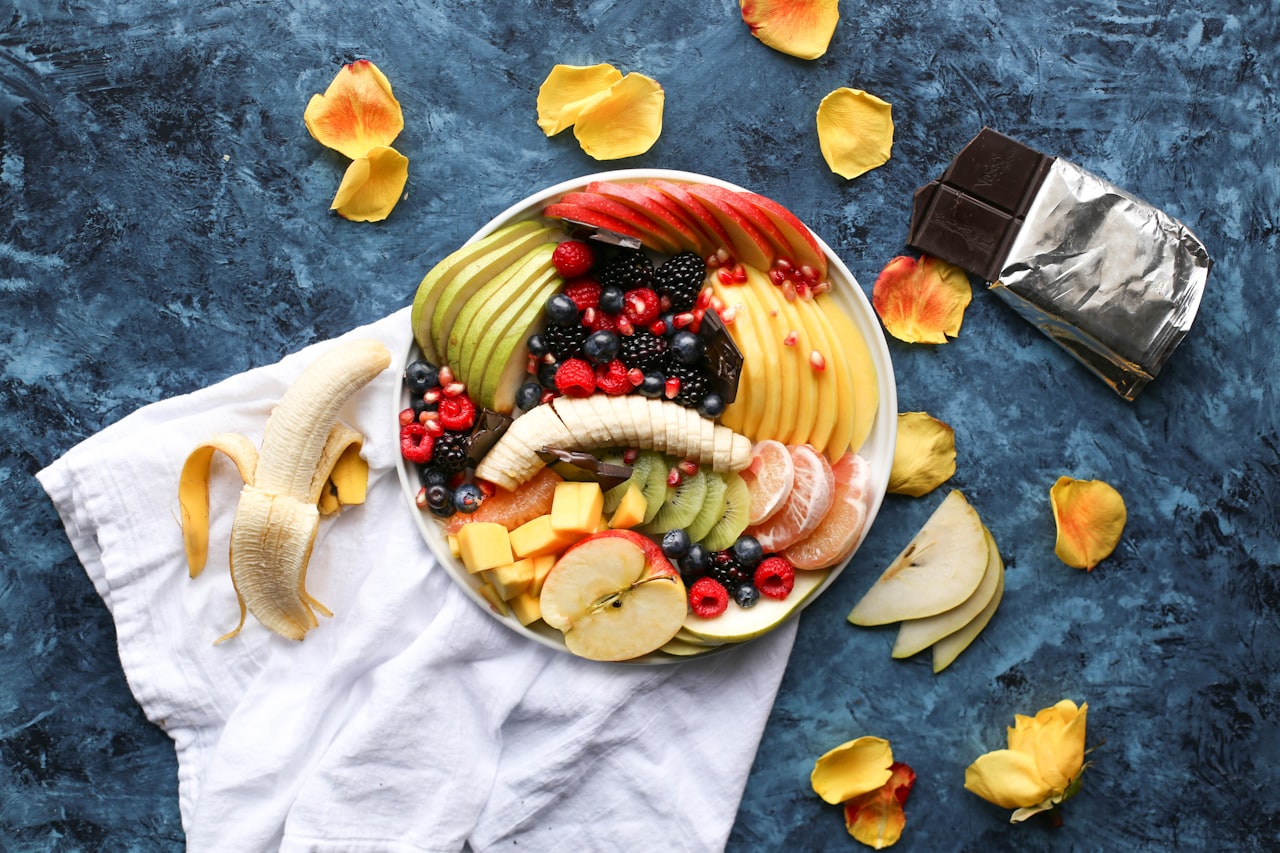
By four in the afternoon on a normal Tuesday, my kitchen had already fielded eleven snack requests from two children. I counted, mostly to prove to myself I was not exaggerating. The word no had left my mouth so many times it had stopped meaning anything to either of us, and I had started to feel like a vending machine that occasionally short-circuits.
The snack question is small, but it eats a surprising amount of the day. If you find yourself saying no in eight different tones between school pickup and dinner, the problem is almost never willpower. It is that the household has no visible answer to a question a child asks roughly every 40 minutes.
Why snack requests feel bigger than they are
A child asking for a snack is rarely asking only for food. Most of the time they are asking a bundled question: am I hungry, am I bored, is dinner soon, did you notice me, is there anything nice in the cupboard. When a parent answers only the food part, the other questions come back in ten minutes wearing a different hat.
The second thing that makes this heavy is that no one taught us a script. We learned meals from our own childhoods, but snacks between meals are a modern middle ground. The American Academy of Pediatrics guidance on snacks is helpful on the nutrition side, but it does not tell you how to hold your face at 4:47 when someone asks for the fourth granola bar.
The goal here is not to become stricter. It is to move the decision out of the moment. Nine out of ten snack negotiations happen because a fresh answer is required every time. Take the fresh answer away and most of the noise goes with it.
The visible-snack shelf, and why it works
The single change that quieted my afternoons was a shelf. One shelf in the pantry, at kid height, holding the snacks that are already a yes. Anything on that shelf, they can take. Anything not on that shelf, they ask. That is the whole system.
Ours holds six categories at any given time: something crunchy, something fruit, something with protein, something small and sweet, something drinkable, and a wildcard. I refill it once on Sunday and once mid-week, which takes about 10 minutes. The rest of the week I do not think about it, which is the actual gift.
When my 7-year-old asks for a snack now, I say the same three words: check the shelf. That is not dismissive. It is the answer we agreed on. He wanders over, picks a clementine or a handful of pretzels, and the negotiation that used to take five minutes takes fifteen seconds.
What actually goes on the shelf
The shelf only works if the parent is honest about what they are willing to let disappear without comment. If you put something up there and then flinch every time a child takes it, you have not solved anything; you have just moved the argument.
Here is what has stayed on ours across a full year of trial and error:
- Fresh fruit in a bowl: apples, clementines, bananas, or whatever is in season. Rotated Sunday.
- One crunchy pantry item: pretzels, plain crackers, or air-popped popcorn in a jar.
- One protein anchor: a small bin of cheese sticks or hard boiled eggs from the fridge zone.
- A pre-portioned sweet: usually 6 to 8 small cookies or squares in a labeled container, no restocking mid-week.
- A drink option: water bottles or a pitcher, plus one small carton of milk per child per day.
- A wildcard: whatever is about to go off, or a seasonal thing (peaches in July, cocoa packets in January).
Notice what is not on the list: anything I would resent losing. The premium chocolate is on a higher shelf. The birthday leftovers live in the freezer. The shelf is designed so a child eating everything on it in one afternoon would be, at worst, a mildly annoying grocery trip, not a betrayal.
Language for the moments the shelf does not cover
You will still get requests for the things not on the shelf. That is the point; the shelf is not meant to eliminate parenting, only the low-value negotiations. For the rest, a small set of phrases carries most of the week.
These are the four I actually use, in order of frequency:
- “That one is for after dinner.” Said calmly, without a lecture. Works about 80 percent of the time on the first try.
- “Not right now, dinner is in 30 minutes.” A time anchor helps a child measure the wait against something real.
- “Yes, and let’s sit down for it.” This turns a grabbed handful into a two-minute pause at the table, which often ends the hunger loop.
- “Tell me if you’re hungry-hungry or bored-hungry.” My kids will now answer this honestly, which shocked me. Bored-hungry usually resolves with a puzzle or going outside for 15 minutes.
None of these are magic. They work because they are the same every time, so the child stops testing the edges. Consistency beats cleverness in almost every corner of family life, which is a theme that shows up in our writing on meal planning and household systems and again in daily schedules.
The Wednesday it fell apart, and what I learned
Two months into this rhythm, I had a Wednesday that unraveled the entire thing. My daughter, then 5, opened the pantry, stood in front of the shelf, and asked for goldfish crackers. Goldfish were not on the shelf. I said no. She asked again. I said no again. Within four minutes we were both crying in the pantry, which was not on any of the parenting websites I had read.
What I learned that afternoon is that the shelf fails when the parent uses it as a wall. She was not really asking for goldfish. She was asking whether the rules could still bend for her. The answer some days is yes. I opened the goldfish, gave her a small bowl, sat with her for six minutes, and we moved on. The shelf survived. So did the week.
If your system ever needs an iron rule to hold, it is not a system, it is a fight waiting to happen. Build in one predictable exception and the rest of the structure gets stronger, not weaker. This mirrors what we have written about handling sibling and family communication when routines get tested.
How this plugs into the rest of the day
The snack shelf does not exist in isolation. It leans on two other small pieces of household infrastructure, and it works much better when both are present.
The first is a rough meal window. Dinner in our house lands between 6:00 and 6:30, and everyone knows this. Snacks stop at 5:00. That single boundary removes maybe a third of the daily requests, because a child who knows dinner is coming does not usually launch a full lobbying campaign at 5:20.
The second is a general sense of what an age-appropriate day of eating actually looks like. Kids need snacks. Two or three across the day is normal, not indulgent. The shelf works because it says yes to a real need, not because it manages a problem. If you feel guilty every time your child eats between meals, the shelf will feel like a compromise. It is not. It is the plan.
You can find more on how these small pieces stack together in our sections on home organization and school routines, and on our about page if you want a sense of how we approach this kind of writing.
A quieter afternoon, not a perfect one
The best week I ever had with this system, I said no to a snack request exactly twice. The worst week, probably fifteen times. Both weeks were fine. The point was never zero refusals; it was fewer negotiations, so the refusals I did make actually landed.
If you try one thing from this piece, try the shelf. Give it two weeks. Keep it stocked with things you truly do not mind them eating, and use the same three-word answer every time. The rest of the language, the meal windows, the exceptions, they can arrive later. The shelf alone changed my house more than any parenting book I read that year.
If something here was useful, our editorial standards page explains how we test these ideas before we write about them, and our contact page is open if you want to tell us how it went.